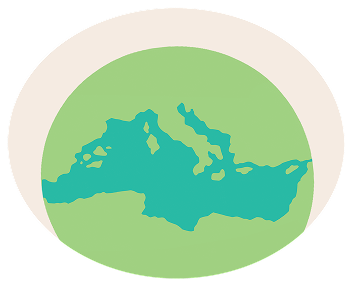
Our Climate – Our Community is a regional campaign that aims to strengthen climate awareness and understanding across the Mediterranean with a particular emphasis on the communities of its southern and eastern shores.
Through science, education, inclusive storytelling, and by connecting people, we transform ideas into action for a more resilient region. The campaign empowers women, youth, and communities to protect what we share: our climate and our Mediterranean.
We work hand in hand with civil society actors, ministries responsible for environment, climate, water, and education, EU Delegations in partner countries, regional partners, intergovernmental organisations, and other projects active across the region.
The campaign is funded by the European Union through the “Water and Environment Support – Biodiversity and Climate Action (WES-BCA) in the Neighbourhood South region” project and will run until November 2027. It promotes the implementation of the Pact for the Mediterranean, launched in November 2025, a flagship European Union initiative aimed at strengthening cooperation with its Southern Mediterranean partners.
The campaign also supports the implementation of the Mediterranean Strategy on Education for Sustainable Development (MSESD) and its Action Plan, under the guidance of the Mediterranean Committee on Education for Sustainable Development (MCESD).