HOW-TO GUIDES SERIES

How to Reduce Food Waste at Home

Reduce your food waste in several steps.

Woman checking her fridge to plan meals and reduce food waste at home
01

Step 1

Look First, Then Shop

Before heading out, pause in your kitchen. Open the fridge. Check the freezer. Look in the cupboard. Is there rice from yesterday? Vegetables that need using? Herbs that look tired but are not yet ready to give up?

Mediterranean cooking is wonderfully flexible. Most meals don't need a strict plan — just a starting point. Let what you already have guide what you cook next, instead of buying more and figuring it out later.

02

Step 2

Get Creative with Leftovers

Food waste often starts with good intentions — cooking generously, just in case, or out of habit.

Finding the right quantity is a skill, not a rule. And when too much is made, the trick is simple: don't let it go to waste. Share a portion with a neighbor, bring leftovers to work, or turn yesterday's meal into something new today.

Leftover rice can be stuffed into peppers or quickly pan-fried with herbs and garlic. Soups, stews, lentils, and molokhia often taste even better the next day.

03

Step 3

Store Food the Smart Way

In warm climates, food needs a bit of help to last longer. Keep herbs standing in a glass of water. Wrap leafy greens in cloth or paper. Store onions, garlic, and potatoes outside the fridge, in a cool, dark place.

Before throwing food away, trust your senses. Food doesn't read expiry or "best before" dates. If it smells fine, looks fine, and tastes fine — and has been stored properly — it usually is.

04

Step 4

Close the Loop with Compost

Not everything in the kitchen is meant to be eaten. Peels, stems, coffee grounds, and eggshells are part of the cooking process, too — but they don't belong in the pot or the bin. By keeping food scraps separate and composting them, you return nutrients to the soil and give your balcony or rooftop plants a natural boost. When food can no longer feed people, it can still feed the earth!

Why it matters for the climate

When food is wasted, so is everything behind it — the water used to grow it, the energy needed to transport it, and the land and labor that painstakingly produced it. Globally, about 17% of all food is wasted; in the Southern and Eastern Mediterranean, households waste even more — about 114 kg per person per year (roughly the weight of a full refrigerator). Altogether, food loss and food waste account for 8–10% of global emissions. One saved meal may feel small, but across millions of Mediterranean homes, it adds up.

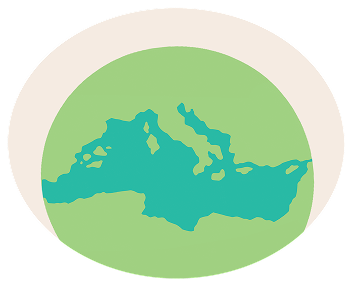
Map of the Mediterranean region highlighting the climate impact of food waste

Stay connected

Follow Our Climate - Our Community on social media for stories, updates, practical tips, and inspiration from across the Mediterranean.