HOW-TO GUIDEPlastic & Waste

How to reduce your single-use plastics

Because some plastics are used for minutes — and somehow outlive us all

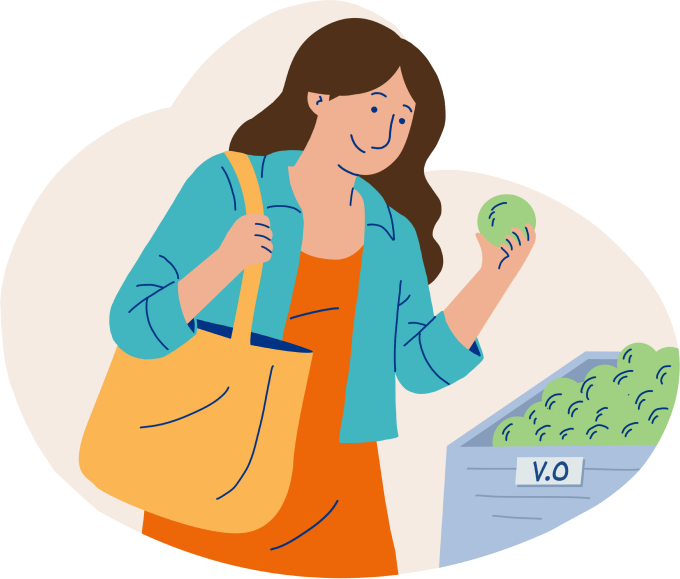
Woman shopping with a reusable cloth bag and choosing loose produce

Before we start, a small but important note: this guide is not about avoiding all plastic. Plastic buckets, storage boxes, jerrycans, and other containers used again and again are doing their job just fine. In fact, reuse has long been part of everyday life across the Mediterranean.

This guide is about single-use plastics (SUPs) — the flimsy, forgettable items designed to be used once, then thrown away.

Around the Mediterranean, the same Big Five show up everywhere:

  • plastic shopping bags
  • plastic water bottles
  • takeaway cups
  • plastic straws
  • takeaway food containers
01

Step 1

Look Around and Catch Them in the Act.

Go through one ordinary day and notice when plastic sneaks into your hands.

Your groceries already handed to you in a plastic bag.

A water bottle grabbed because it’s hot and you’ll be out longer than planned.

A straw slipped into a drink without asking.

None of this happens because we decide to pollute — it happens because it’s routine.

Step one is simply spotting when the Big Five show up.

02

Step 2

Start Small (No Lifestyle Overhaul Required).

This is not an all-or-nothing situation.

Pick one of the Big Five and start there.

A cloth bag, backpack, basket, or sturdy bag instead of single-use plastic bags.

A refillable bottle you already own, filled at home or at work.

A travel mug instead of a disposable cup.

A container from home when you know you’ll be picking up food.

Saying no to a straw.

Nothing fancy. Just small swaps that fit into real life.

03

Step 3

Say No – Casually and Early.

Most single-use plastics end up as waste because they are offered automatically, almost as a courtesy.

A few polite words can stop them before they appear.

“No bag, please.”

“Without a straw, please.”

“I don’t need a bottle.”

“I have my own container.”

The key is timing — say it before things are packed or served.

04

Step 4

Repeat, Share, and Let It Become Normal.

The magic happens when these small choices stop feeling like a big deal.

When bringing a bag feels as normal as carrying your phone.

When shops expect customers to refuse shopping bags.

When food is packed into containers from home because it’s practical – and often cheaper.

These habits spread quietly — through families, neighbors, colleagues, and friends— simply because they work.

Why it matters for the climate

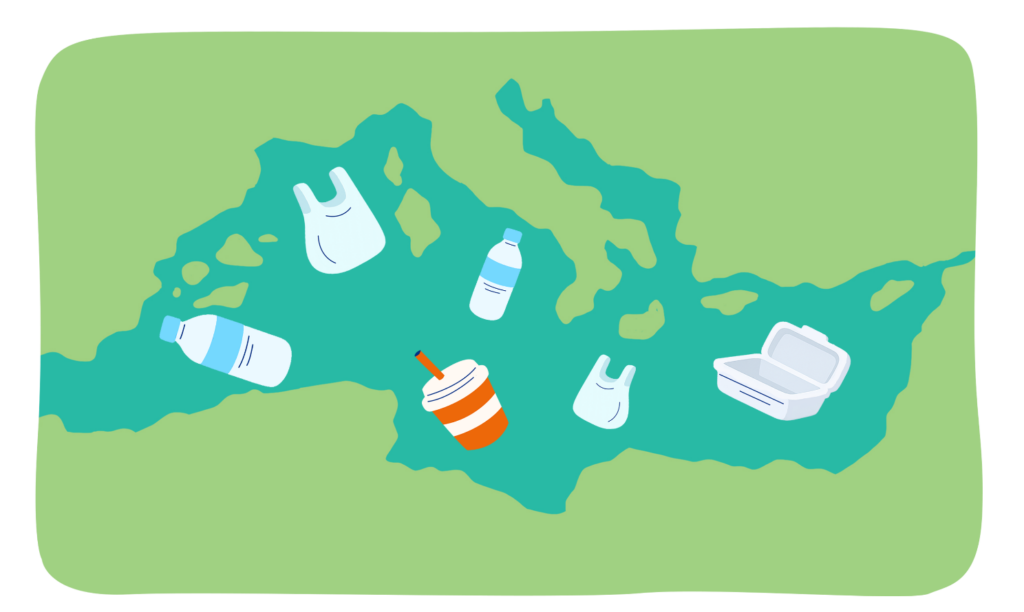
Here’s the less fun part. In the Mediterranean, plastics are the most common form of marine litter, accounting for 80-90% of items found on beaches, floating in the water column, or deposited on the seafloor. Much of this waste comes from lightweight single-use items – shopping bags, drink bottles, cups, food and beverage containers, and straws. Once they reach the sea, they don’t disappear; they stick around or break down, and quietly damage marine life, fisheries, and food systems already under pressure from climate change. The Mediterranean Sea is widely recognised as one of the regions most affected by plastic pollution, with microplastic levels comparable to those found in the world’s largest ocean “garbage patches,” where floating plastic gathers in huge swirling currents. Less visible, but just as important, are the climate implications of plastics themselves. Most plastics are made from fossil fuels, and their lifecycle – from oil extraction to manufacturing to disposal or burning – accounts for 5% of global greenhouse gas emissions. One bag or bottle will not tip the balance — but thousands of small, everyday refusals across the region can reduce both plastic pollution and carbon emissions, helping protect a sea that has supported Mediterranean life for thousands of years.

Stay connected

Follow Our Climate - Our Community on social media for stories, updates, practical tips, and inspiration from across the Mediterranean.